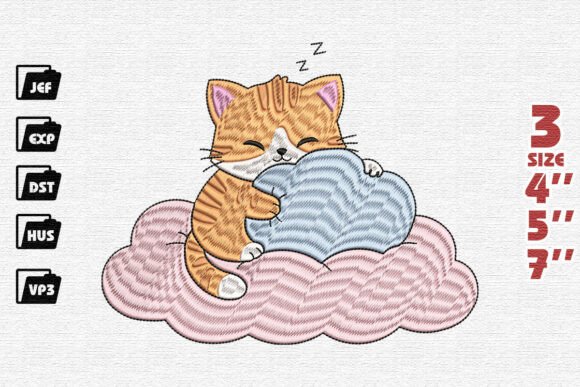
Sleeping Kitten Embroidery
A Cute and Versatile Design for Craft Fair Success
Sleeping Kitten Embroidery is a design that immediately evokes warmth, comfort, and charm. Its soft, sleepy expression and gentle pose make it a natural fit for baby animals, especially those who are new to the craft fair scene. The design feels approachable and universally appealing, which is a strong selling point for handmade products.
First Impressions: Cuteness Meets Practicality
The first impression of Sleeping Kitten Embroidery is one of softness and cuteness. It's not overly bold or intricate, making it ideal for both beginners and experienced crafters. The design feels like it belongs in a cozy farmhouse or a modern minimalist space. It’s versatile enough to work across various styles, from rustic to contemporary, and can easily be adapted to different product types.
Performance on Popular Craft Fair Products
Sleeping Kitten Embroidery performs exceptionally well on a wide range of products. On tote bags, it adds a charming touch without overwhelming the overall design. Apron embroidery benefits from its subtle presence, allowing the focus to remain on the apron’s functionality. Tea towel embroidery is another excellent use case, where the design can be the focal point, adding a whimsical yet elegant feel.
Embroidered patches and caps also showcase the design beautifully. The kitten’s delicate features translate well onto smaller surfaces, while its softness makes it a great choice for fabric pouches and pillow covers. For market bags and handmade gifts, the design offers a consistent visual appeal that resonates with buyers looking for something sweet and unique.
Practical Selling and Production Points
Sleeping Kitten Embroidery is easy to understand at a glance, which is crucial for attracting customer attention in a busy craft fair environment. It works equally well as a small accent or a large focal design, giving sellers flexibility in how they present their products. The design photographs well for online listings, maintaining clarity and vibrancy even when scaled down.
For batch production, the design is repeatable and consistent, which is essential for small shop products and Etsy sellers. However, it’s important to consider stitch density and thread colors when preparing for commercial embroidery. Testing the design on scrap fabric before full production helps identify any potential issues with stitch placement or contrast.
Careful-Use Notes for Optimal Results
While Sleeping Kitten Embroidery is generally user-friendly, there are a few careful-use notes to keep in mind. Dense stitch areas may require additional stabilizer to prevent puckering, especially on thicker fabrics. Tiny details and small lettering should be checked for clarity, particularly at smaller sizes like 4 inches. Dark fabrics may reduce the visibility of the design, so it’s advisable to test on a variety of materials before finalizing production.
Curved cap surfaces and textured towels can affect stitch alignment and appearance, so using the right stabilizer and hoop size is crucial. Confirming the correct embroidery file format and hoop size ensures compatibility with most machines. Lastly, always verify commercial licensing terms before selling finished products to avoid legal complications.
Visual Appeal and Customer Engagement
Sleeping Kitten Embroidery enhances visual appeal by offering a balance between simplicity and detail. Its ability to stand out on a booth display without being overwhelming makes it a strong contender for customer engagement. The design’s universal appeal means it can attract a broad audience, including parents, animal lovers, and those seeking handmade quality.
From a brand consistency standpoint, the design supports a cohesive aesthetic that aligns with other products in a handmade line. Whether used on embroidered patches, tea towels, or market bags, it maintains a consistent look that reinforces brand identity and value.
Embroidery Designer Notes for Success
As an embroidery designer, I recommend testing the design on scrap fabric to ensure proper stitch density and alignment. Checking thread contrast is essential for visibility, especially on dark or textured fabrics. Reviewing spacing and confirming hoop size will help prevent common production errors.
Using the right stabilizer and creating at least one real mockup before mass production ensures quality and consistency. Comparing fabric colors and confirming commercial licensing terms are also vital steps to guarantee a successful product launch.
Final Thoughts on Sleepy Charm
Sleeping Kitten Embroidery is a design that combines charm, versatility, and practicality. Its ability to adapt to various products and environments makes it a valuable asset for any craft fair or handmade business. With careful preparation and attention to detail, this design can become a standout feature in your booth, attracting customers and boosting sales.